18.7.26 – Industry Insights
Ecommerce SEO essentials: what small retail brands get wrong on Shopify
Shopify makes it easy to launch a store and deceptively easy to launch one that search engines struggle to understand. For small and growing retail brands without an in-house SEO resource, a handful of avoidable mistakes tend to show up again and again.
Thin, templated product descriptions
Copying manufacturer descriptions or using near-identical text across product variants gives search engines very little to differentiate one page from another. Original, specific product copy, even a few genuinely distinct sentences per product, does more for both rankings and conversion than most brands expect.
Collections that don’t map to how people actually search
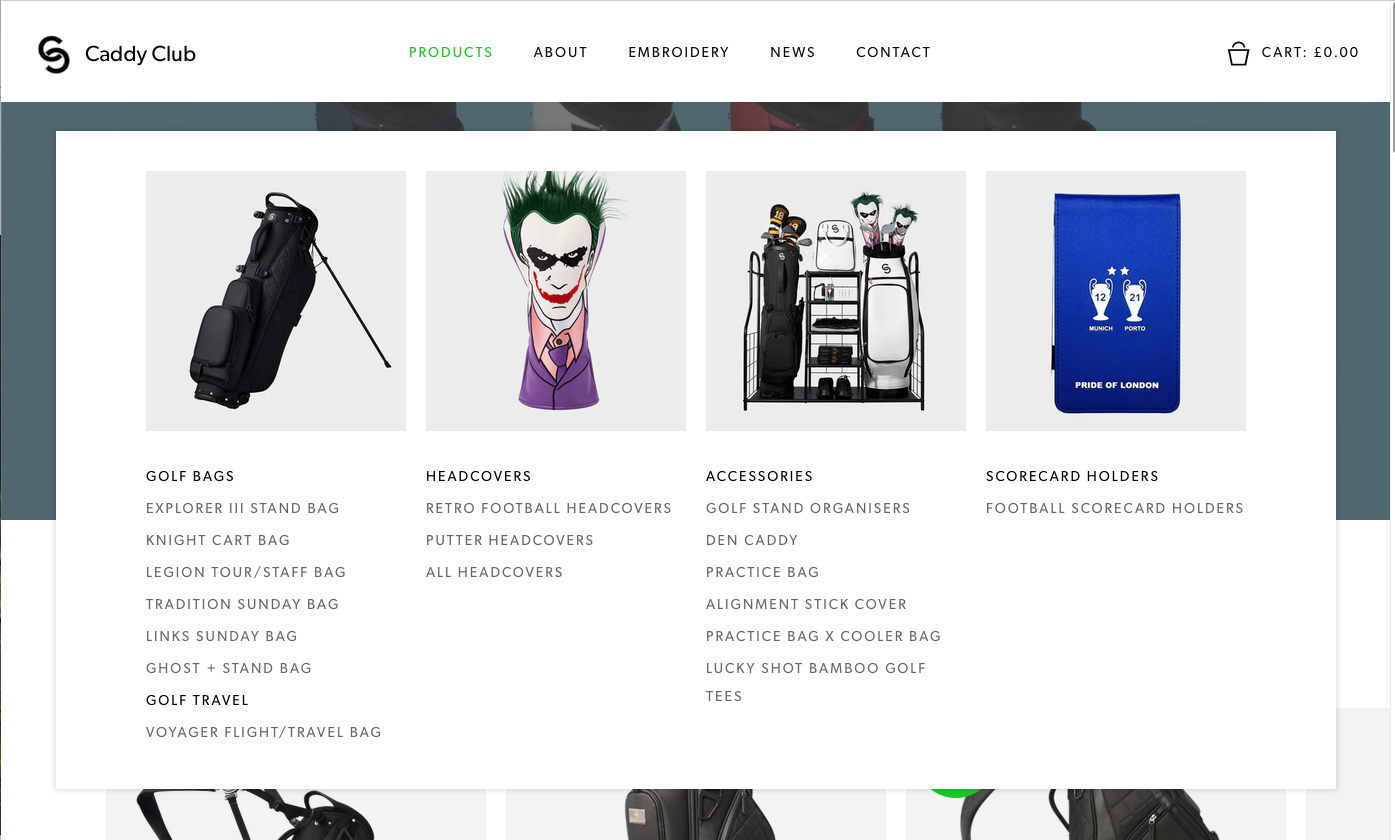
Store navigation is often built around how a brand internally categorises its range, not around the terms customers actually type into Google. A collection structure that mirrors real search behaviour (by use case, by occasion, by specific need) tends to outperform one that mirrors an internal product catalogue.
Image weight nobody’s checking
Product photography sells the item but, left unoptimised, quietly tanks page speed, and speed is both a ranking factor and a conversion factor on ecommerce specifically, where every extra second of load time has a measurable cost in abandoned carts.
Missing alt text and generic filenames, at scale
The same issue that affects a handful of images on a small site becomes a much bigger problem across a Shopify catalogue with dozens or hundreds of product shots — blank alt text and filenames like IMG_2837.jpg add up to a significant missed opportunity in image search, which drives a meaningful share of retail discovery traffic.
None of this requires an SEO specialist on staff: it requires treating the store’s structure and content with the same care that goes into the product photography. Get in touch if yours could use an audit.